

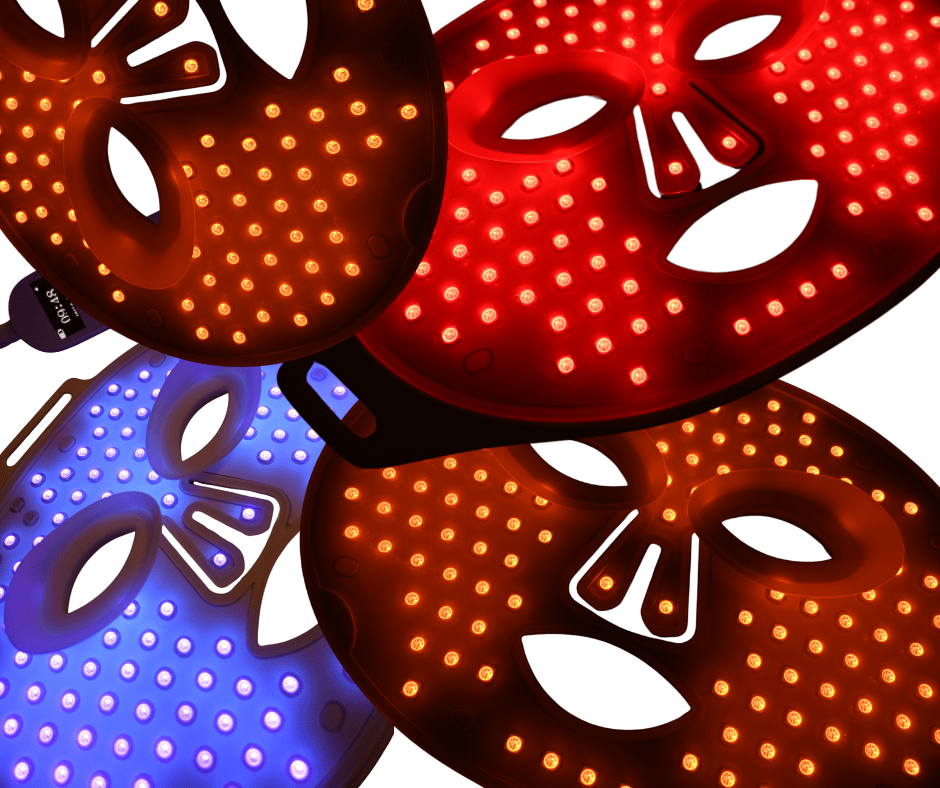
Why Red Light Therapy Is One of the Safest Skincare Technologies Available
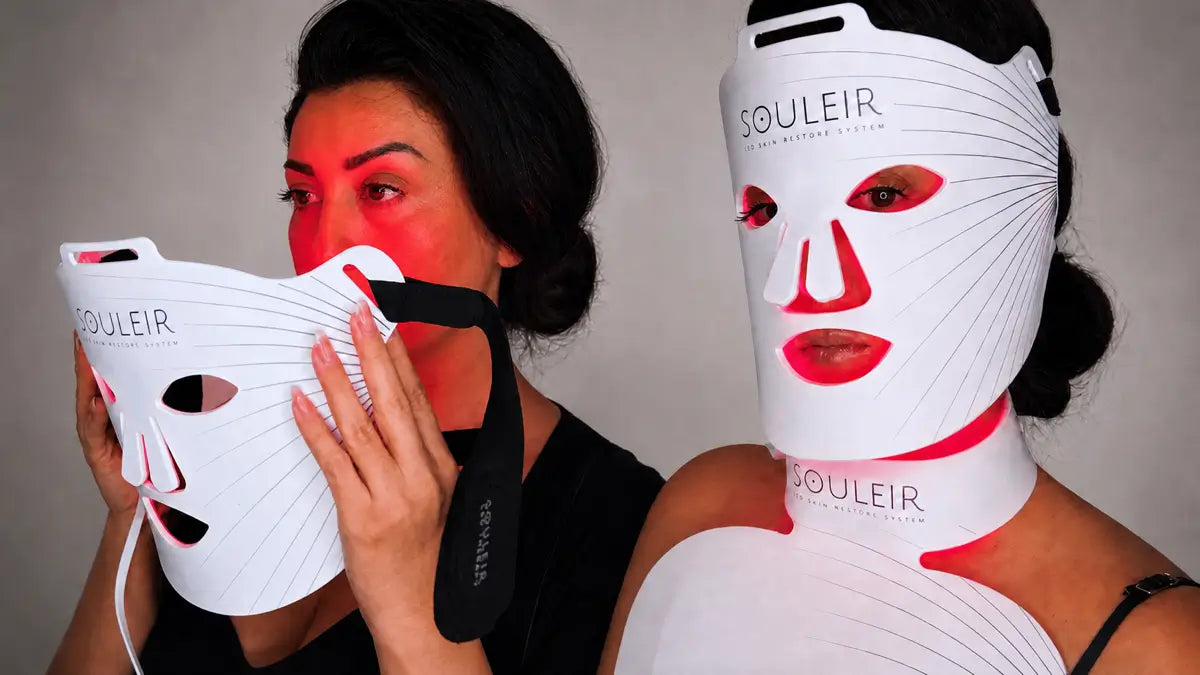
Yes, red light therapy is completely safe. It is a non-invasive, painless, and UV-free treatment that does not damage the skin or cause burns. When using a TGA-approved device like the Souleir LED Mask, red light therapy is considered one of the safest and most effective at-home skincare technologies available for all skin types.
How red light therapy differs from treatments that carry real risk
To understand why red light therapy is considered so safe, it helps to compare it to the alternatives.
Laser resurfacing, chemical peels, microneedling, and injectables all work by creating a controlled injury to the skin — triggering a repair response that produces collagen and renewal.
They are effective, but they carry genuine risks:
- downtime,
- infection,
- scarring,
- uneven results, and
- reactions.
They require professional administration precisely because the margin for error is meaningful.
Red light therapy does not injure the skin. It delivers specific wavelengths of red and near-infrared light that are absorbed by the mitochondria of skin cells, stimulating them to produce more energy (ATP). More cellular energy means better collagen production, faster repair, and reduced inflammation — all driven by your skin's own biology, not by external damage.
It contains no UV radiation. It does not ablate tissue. It does not generate heat you can feel. The mechanism of action is supportive, not disruptive — which is precisely why it can be used daily at home without professional supervision.
What the research says about safety
Red light therapy has been studied in clinical settings since the 1960s, and the safety profile across more than 6,000 peer-reviewed papers is consistently positive. It has been used in wound care, physiotherapy, dentistry, post-surgical recovery, and dermatology with no evidence of long-term harm at therapeutic doses.
The Therapeutic Goods Administration (TGA) — Australia's medical device regulator — approves specific LED devices for therapeutic use, which requires meeting rigorous safety and efficacy standards. TGA approval is not a rubber stamp; it is a meaningful assessment that distinguishes properly specified devices from the broader, unregulated market.
Side effects in the clinical literature are mild and temporary: occasional skin flushing immediately after a session (reflecting increased circulation, not damage), minor sensitivity in the first few uses as skin adapts, and in rare cases a brief purging effect in the first two to three weeks if you have underlying congestion. These resolve on their own and are not signs of harm.
A few things worth knowing before you start
While red light therapy is safe for the vast majority of users, there are a small number of circumstances where it's worth checking with your GP first:
Photosensitising medications
Some common medications — certain antibiotics, specific acne treatments, and some antidepressants — can increase skin sensitivity to light. If you take any regular medication, a quick check with your pharmacist is a sensible step.
Pregnancy
There isn't sufficient research on LED therapy during pregnancy. Most practitioners recommend waiting (especially if using on the abdomen) — not because risk has been identified, but because the data isn't there yet.
There are no studies showing that LED face masks harm pregnant women or their babies. Red light therapy doesn't use UV radiation, doesn't generate heat, and doesn't penetrate beyond the skin. However, because pregnant women are typically excluded from clinical trials, there's no data specifically confirming it's safe during pregnancy either.
Active skin conditions
If you experience cold sores, red light therapy may actually help heal outbreaks faster and reduce how frequently they recur. Start with shorter sessions during an active outbreak and monitor your response.
How to get the most out of it safely
Use it on clean skin
SPF, makeup, and heavy serums absorb or reflect light, reducing what reaches your skin cells. Always start on a clean, product-free face.
Follow the session timing
Ten to twenty minutes once 3-5 times per week is the clinically established sweet spot — the dose that produces the best cellular response. Longer sessions don't produce better results and are unnecessary with a properly specified device.
We personally recommend to start with 20 mins per day over 14 days to start - this gives your skin cells a boost. Then reduce to 10-20 min sessions, 3-5 times per week for maintenance.
Apply actives after, not before
Vitamin C, retinol, and AHAs are best applied after your session, not before. This sequencing protects your skin barrier and lets the light work at full effectiveness.
Wear the eye protection
The light is bright. The included eye covers are there for comfort and as a sensible precaution — use them.
The device matters
One honest note:
the safety and effectiveness of red light therapy is closely tied to the device. A well-specified, TGA-approved device delivers the right wavelengths at the right irradiance — making it both safe and clinically effective. Souleir's LED devices are TGA and FDA approved and are certified as a medical device safe for at-home use.
This is the primary practical consideration when choosing an at-home LED mask, and it's the reason TGA approval is the single most important thing to look for when purchasing in Australia.
The bottom line
LED light therapy is not a treatment you need to approach with caution — it's one you can approach with confidence. For women looking for consistent, evidence-backed skin support without the downtime, expense, or recovery of clinical procedures, it represents one of the most compelling options available.
It works with your skin. It respects your skin. And used with the right device, it's one of the gentlest things you can do for it daily.
About the Souleir Youth Restore LED Therapy Mask
TGA-approved. FDA-certified. ISO 13485 certified for medical device manufacturing. Built to deliver clinically relevant wavelengths at the irradiance that produces results — nothing more, nothing less.
Designed for daily use, ten to twenty minutes, on your terms.
Shop the Youth Restore LED Therapy Mask →
This article is for informational purposes only and does not constitute medical advice. If you have a diagnosed medical condition or take prescription medications, a quick conversation with your GP or pharmacist will confirm whether red light therapy is right for you.

Written by Therese Cassar

Leave a comment
This site is protected by hCaptcha and the hCaptcha Privacy Policy and Terms of Service apply.