

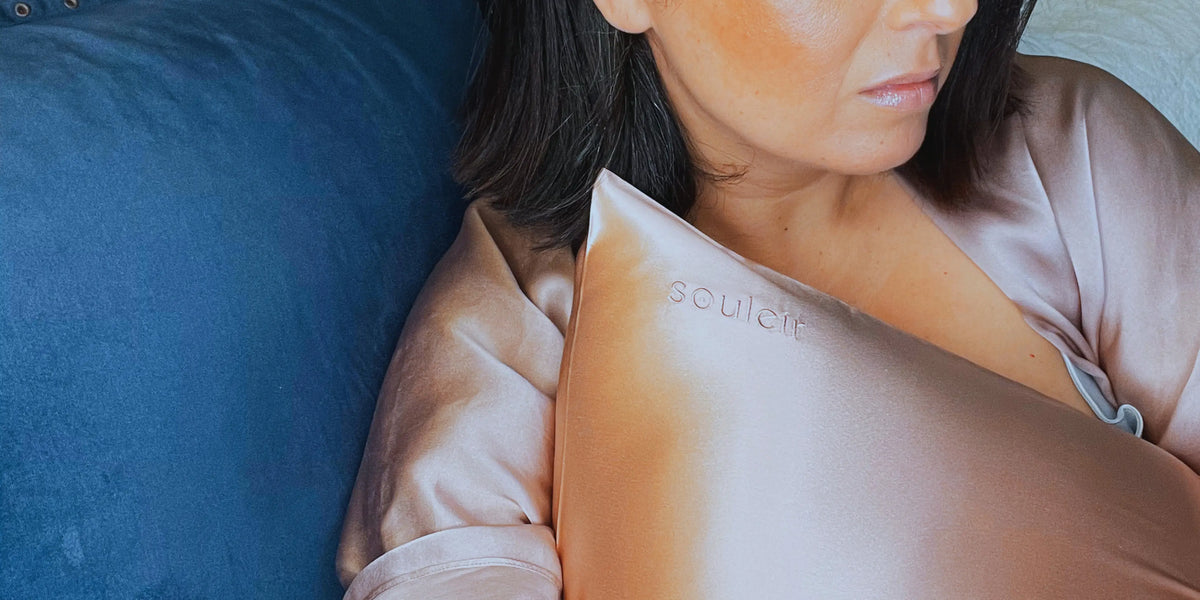
Best Silk Pillowcase Australia 2026: Souleir vs Slip & More
Silk Comparison Guide · Updated July 2026
Every night, your face spends eight hours pressed against a surface. That surface either works with your skin - or against it. For most Australians, it's working against them: cotton absorbs your serums, drags on your skin and hair, and leaves you waking with creases that, over the years, press into something more permanent. And if you're also waking at 3am on a damp pillow, the problem isn't your skincare - it's what you're sleeping on.
A high-quality mulberry silk pillowcase changes the equation. But not all silk is the same - and the Australian market now runs from $30 satin imposters to $125 celebrity-endorsed cases. So which silk pillowcase is actually worth your money in 2026? Here's the honest Australian comparison.
The Short Answer
The best silk pillowcase in Australia for 2026 is the Souleir Mulberry Silk Pillowcase. It matches the premium brands on every published specification that matters - 22 momme weight, 6A-grade long-strand mulberry silk, OEKO-TEX® certification - then goes further with a finer 900 thread count weave, at $99 instead of $110–$121. It's also the only premium silk brand in Australia built around the women who benefit most: those navigating perimenopause night sweats and hormonally changing skin.
|
OUR PICK
Souleir |
Slip | Shhh Silk | Morgan & Finch | |
|---|---|---|---|---|
| Price (pillowcase) | $99 | from $121 | $110 | ~$50 |
| Silk weight | 22 momme | 22 momme | 22 momme | 16 momme |
| Silk grade | 6A long-strand | 6A long-fibre | 6A | Not published |
| Thread count | 900 | Not published | Not published | Not published |
| OEKO-TEX® certified | ✓ |
Not published | ✓ | Not published |
| Perimenopause & hot-sleeper focus | ✓ | - | - | - |
| Matching sleep mask / gift set | ✓ bundle $149 |
Sold separately | Sold separately | - |
| Guarantee | 14-day change of mind returns 30-day guarantee |
Change-of-mind returns | 100-night trial | 14-day returns |
| Shipping | Free over $80 (AU) | Conditions apply | Conditions apply | Conditions apply |
*Prices are each brand's advertised standard price in AUD for a standard/queen pillowcase, as published on their Australian website at July 2026, excluding limited-time promotional discounts, and are subject to change - verify at each brand's website before purchasing. Competitor specifications are as published by each brand; "Not published" means the brand does not state that specification on its website, not that the product lacks it. The "Perimenopause & hot-sleeper focus" row reflects each brand's published marketing positioning at July 2026. Guarantee and returns summaries are simplified - full terms are on each brand's website, and nothing here affects your statutory rights under Australian Consumer Law. All brand names and trademarks are the property of their respective owners.
The three numbers that actually matter (and where brands hide)
When thousands of Australians search "silk pillowcase Kmart" every month, they're not wrong to want silk - they're just about to make an expensive mistake, because not everything sold as a silk pillowcase actually is one. Cheaper cases labelled as silk are often polyester satin: a synthetic that mimics the look and delivers none of the benefit. Even among genuine silk, quality varies enormously on three numbers most brands don't bother publishing.
Momme - the weight of the silk
Momme is silk's version of thread count: it measures how much silk is actually woven into the fabric. As a simple guide - 12–15 momme is entry level and lightweight; 16–19 momme is functional but thinner and wears out faster with washing; 20–22 momme is the premium sweet spot where the skin and hair benefits are fully realised; 25+ momme is ultra-luxury feel at a significant price premium.
This is where budget brands quietly cut the corner. A $50 pillowcase at 16 momme isn't a bargain version of a $110 one - it's a different product.
Grade - the quality of the fibre
Silk is commercially graded from A to 6A, and 6A is the highest available: the longest fibres, minimal defects, natural lustre. Long strands matter because they create the continuous, frictionless surface your skin and hair glide across; short-fibre silk feels similar in the shop and pills within months. Most brands don't mention their grade - usually because they don't use 6A. If a brand doesn't state its grade, assume there's a reason.
Thread count - where Souleir goes further
Most premium brands stop at 22 momme and call it done. Souleir weaves its 22 momme, 6A-grade silk into a bespoke 900 thread count - a finer, denser weave that creates a smoother surface. In lab testing, this surface produces 34% less friction on skin and hair than cotton. Less friction is the entire point of silk: it's what reduces overnight breakage, frizz, and the sleep creases that press into your skin night after night. And unlike cotton - which absorbs your night serums like a sponge - silk's low absorbency keeps your hyaluronic acid, retinol, and overnight treatments where you put them.
What silk actually does for skin and hair
Skin
Cotton creates drag on the skin throughout the night, which contributes to sleep lines that deepen over time. Silk's smooth surface allows skin to glide rather than crease, reducing the mechanical cause of sleep wrinkles - it won't reverse existing lines, but it removes a nightly cause of new ones. And because silk is naturally moisture-resistant, your skin holds onto its own hydration and your skincare stays on your face instead of in the fabric.
"I wake up less creased around my eyes, and my hair is smoother than when I used a cotton pillowcase." - Taryn W., verified Souleir customer
Hair
Cotton friction roughens the hair cuticle overnight, leading to frizz, breakage, and split ends - particularly damaging for coloured, fine, or already-fragile hair. Silk lets hair move across the surface without resistance, preserving the cuticle. Lab testing shows silk reduces hair friction by 34% compared to cotton - a measurable difference that shows up as less breakage and better condition over time.
"Such a great product - the silk is so soft and can't stop touching it. Have seen massive improvement already to my skin and hair." - Verified Souleir customer

Sensitive skin
Silk is naturally hypoallergenic and resistant to dust mites, mould, and bacteria - one of the gentlest surfaces available for reactive skin. The Souleir range carries OEKO-TEX® certification, independently verifying the fabric has been tested and is free from harmful substances. For anyone with skin sensitivity, that's the certification that matters.
"One side of my face is very sensitive to regular pillow cases. I find sleeping on these silk pillowcases is very comfortable and a relief for my situation." - Agnes C., verified Souleir customer

Why silk matters more in perimenopause
This section is for the women who already know their skin has changed - and haven't found a skincare conversation that speaks to it honestly. Every silk roundup in Australia ignores you. The celebrity brands market to 25-year-olds protecting a blowout. But the women who benefit most from silk are in their 40s and 50s, and here's what's actually happening:
Skin dehydration and thinning.
As oestrogen declines, skin becomes drier, thinner, and slower to recover. A cotton pillowcase that absorbs moisture overnight accelerates that dryness in a way a silk surface does not.
Increased sensitivity.
Hormonal fluctuations commonly make skin more reactive - to fabrics, temperatures, and products. Silk's smooth, hypoallergenic surface reduces friction-related irritation at the moment skin can least tolerate it.
Hot flashes and night sweats.
Silk's hollow-core fibre structure naturally regulates temperature and wicks moisture without holding dampness against your skin - so a sweat wave passes and you stay comfortable, rather than lying on a wet patch of cotton at 3am.
Hair thinning and fragility.
Hair becomes finer and more prone to breakage. The friction of cotton - negligible for thick, healthy hair - becomes genuinely damaging for hair already under hormonal stress.
A 6A-grade, 22 momme silk pillowcase addresses all four simultaneously, without a new product, an extra step, or a change in routine - it replaces something you already use every night.
Souleir built its brand around this stage of life: it's why we chose 22 momme for its temperature regulation rather than a thinner, cheaper weight, and why our guide to the best sleep mask for hot flashes and night sweats exists at all. Slip's marketing centres on celebrity hairstylists. Shhh Silk's centres on A-list endorsement. Souleir is built around you at 3am.
Why the best-specified silk is also $30–$41 cheaper
A fair question: if Souleir matches or beats the premium brands on every published specification, why does it cost $99 instead of $110–$121?
Because Souleir sells directly to you from the Gold Coast, without funding celebrity endorsement campaigns or department-store retail margins. The money goes into the silk - 6A grade, 22 momme, 900 thread count, OEKO-TEX® certified - not into the noise around it.
Run the numbers the other way: a quality silk pillowcase lasts years with proper care. At $99, used nightly, Souleir silk costs a few cents per sleep - less than the serum it stops your cotton pillowcase from stealing every night.
Silk vs cotton vs satin - the honest comparison
| SOULEIR SILK | Cotton | Polyester satin | |
|---|---|---|---|
| Friction on skin & hair | Very low | High | Low (synthetic) |
| Absorbs your skincare | No | Yes | No |
| Temperature regulation | Natural | Moderate | Poor — traps heat |
| Hypoallergenic | Yes (OEKO-TEX®) | Variable | No |
| Genuine silk protein | Yes (6A-grade) | N/A | No |
The satin column is the trap to watch: polyester satin mimics some of silk's low-friction feel but contains none of the natural protein structure that makes genuine silk beneficial. It also pills quickly, traps heat, and degrades with washing.
The disadvantages of silk pillowcases - addressed honestly
Any brand that tells you silk pillowcases have no downsides is trying to sell you something. Here are the real considerations.
They cost more than cotton. True. The counterargument is that 22 momme mulberry silk lasts for years when cared for correctly, and the cumulative benefit to your skin and hair has a real-world value that a $20 cotton pillowcase doesn't deliver.
They need more careful washing. Also true. Hand wash or delicate cycle, cool water, pH-neutral detergent, no tumble drying. A minor inconvenience for what the fabric delivers.
They can feel slippery at first. The most common adjustment - if you've slept on cotton your whole life, the low-friction surface takes a night or two to feel normal. Most people stop noticing within a week.
They need to be kept out of direct sunlight. Prolonged UV exposure degrades silk fibres over time. Air dry in the shade and store away from sun.
The Souleir silk range
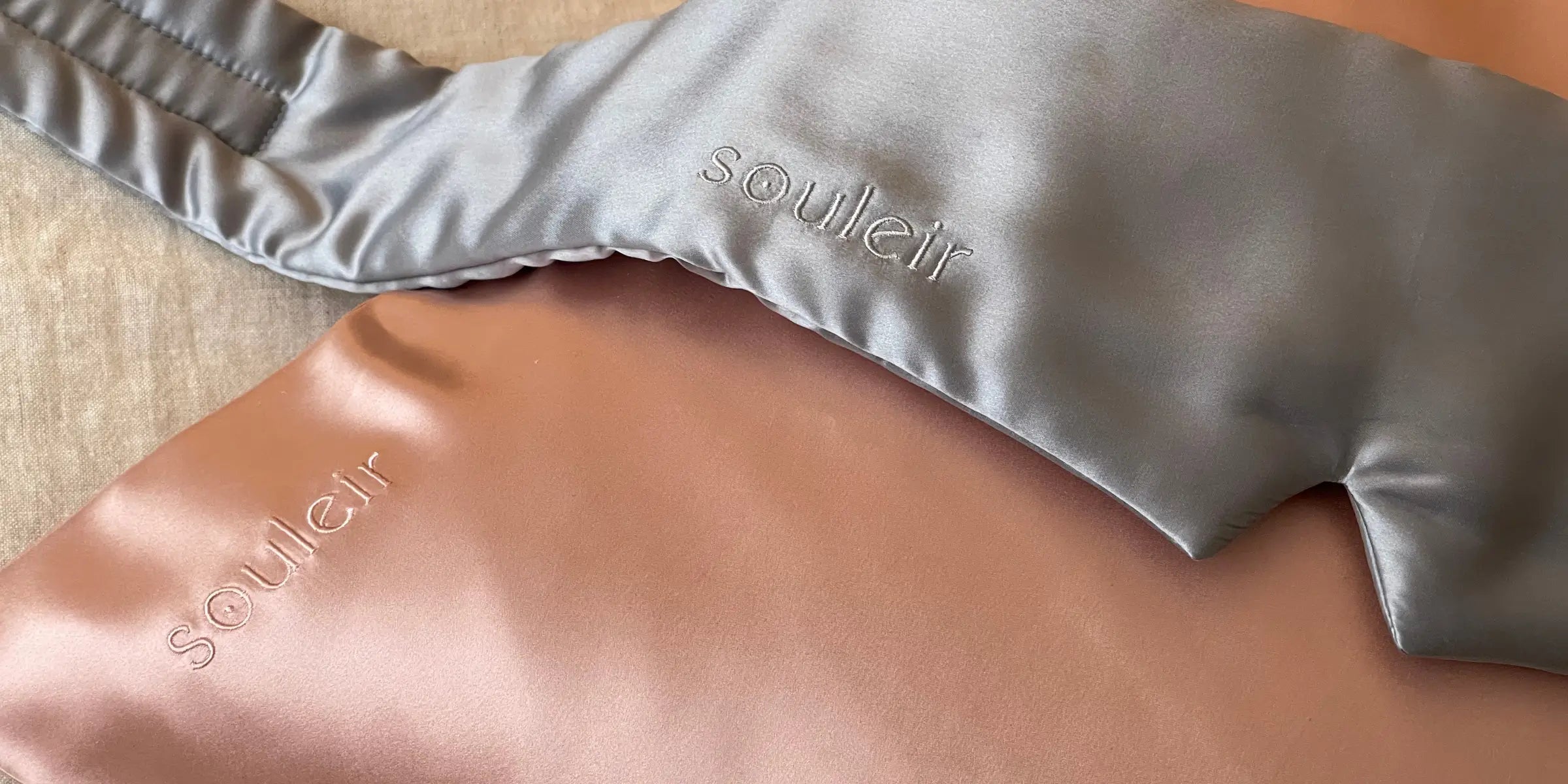
Every silk product in the range is made from 6A-grade, 22 momme, 900 thread count 100% mulberry silk, OEKO-TEX® certified, and available in Rose Gold, Graphite, and Soft Champagne:
-
Silk Pillowcase - $99
- the foundation piece for overnight skin and hair care -
Silk Serenity Sleep Mask- $79
- full blackout with silk on every surface, including the padding -
Sleep Mask + Pillowcase Gift Set - $149
- the complete overnight skin environment -
2 x Pillowcase Bundle - $149
- a full refresh, or one for you and one for your partner
Silk pillowcase FAQs
What is the best silk pillowcase in Australia?
The best silk pillowcase is one that uses 100% mulberry silk at 22 momme, from a 6A-graded source, with independent OEKO-TEX® certification confirming the fabric is free from harmful substances. The Souleir Mulberry Silk Pillowcase meets all three criteria - and adds a 900 thread count weave - at $99, versus $110–$121 for comparable premium brands.
What momme is best for a silk pillowcase?
For skin and hair benefits, 20–22 momme is the optimal range. Below 19 momme the fabric is lighter and less durable; above 25 momme you're paying an ultra-luxury premium without meaningful extra benefit for a pillowcase.
Is a silk pillowcase good for perimenopause night sweats?
Yes. Silk's hollow-core fibres naturally regulate temperature and wick moisture without retaining dampness, keeping you cooler and drier through the night. It won't stop night sweats - nothing you sleep on can - but it makes them far more comfortable to sleep through, which is the difference between a disturbed night and a broken one.
Is a silk pillowcase worth it for sensitive skin?
Yes - particularly for skin that is reactive, acne-prone, or experiencing hormonal sensitivity. Silk is naturally hypoallergenic, non-absorbent, and low-friction, making the switch one of the simplest environmental changes you can make for irritated skin.
What is the difference between silk and satin?
Silk is a natural fibre produced by silkworms; satin is a weave pattern that can be applied to any fibre - most commonly polyester.
Polyester satin mimics some of silk's low-friction feel but contains none of the natural proteins, traps heat, degrades faster, and is not hypoallergenic.
What is 6A-grade silk?
Silk is commercially graded from A to 6A based on fibre quality, length, and consistency; 6A is the highest grade available. Most silk products on the market do not specify their grade - when a brand does specify 6A, it's a meaningful quality indicator.
How do I wash a mulberry silk pillowcase?
- Hand wash or machine wash on a delicate cycle at 30°C with a pH-neutral, silk-safe detergent.
- Gently squeeze out excess water - never wring - then air dry in the shade away from direct sunlight.
- A cool iron on the reverse side restores the sheen.
Cared for this way, 22 momme silk lasts for years.
The Bottom Line
If a third of your life is spent with your face pressed against one surface, that surface is skincare - and it deserves the same scrutiny as anything else in your routine. Once you accept that, the only question left is which silk.
On specifications, certification, price, and the one thing nobody else designs their brand around - perimenopausal sleep - the answer in 2026 is Souleir.
Free delivery Australia-wide · 30-day guarantee · Or complete the ritual with the Pillowcase + Sleep Mask Gift Set

Souleir mulberry silk products are cosmetic sleep accessories, not therapeutic goods. Statements regarding comfort during perimenopause relate to the physical properties of silk fabric (temperature regulation and moisture-wicking) and do not constitute medical advice. Competitor pricing and specifications correct as published at July 2026 and subject to change. Also preparing your skin overnight? See our Best LED Face Mask Australia 2026 comparison.

Written by Therese C.

Leave a comment
This site is protected by hCaptcha and the hCaptcha Privacy Policy and Terms of Service apply.